


'%20x='0'%20y='0'%20height='100%25'%20width='100%25'%20%0A%20%20%20%20%20%20%20%20%20%20xlink%3Ahref='data:image/jpg;base64,/9j/2wBDAAYEBQYFBAYGBQYHBwYIChAKCgkJChQODwwQFxQYGBcUFhYaHSUfGhsjHBYWICwgIyYnKSopGR8tMC0oMCUoKSj/2wBDAQcHBwoIChMKChMoGhYaKCgoKCgoKCgoKCgoKCgoKCgoKCgoKCgoKCgoKCgoKCgoKCgoKCgoKCgoKCgoKCgoKCj/wAARCAAGAAoDASIAAhEBAxEB/8QAFgABAQEAAAAAAAAAAAAAAAAAAAYH/8QAIBAAAgEEAgMBAAAAAAAAAAAAAQIDAAQFERIhByIxof/EABUBAQEAAAAAAAAAAAAAAAAAAAME/8QAGBEBAAMBAAAAAAAAAAAAAAAAAQACIRH/2gAMAwEAAhEDEQA/AMfwVrE+UuLiN+ciWcrxrPEHG+JAJ70Ndn4apV8ZZdFCm8x7FRrfv3+UpU9FdiuHJ//Z'%3E%3C/image%3E%3C/svg%3E)

On New Year’s Eve 2025, Stranger Things finally said goodbye. After almost ten years and five seasons, the show that hooked a whole generation aired one last, two-hour episode.
Hawkins, Indiana, monsters and all got their sendoff. The finale finished the fight against Vecna and the Mind Flayer, then jumped ahead a year and a half to show where everyone ended up. But when it came to Eleven, the show left her future up in the air. Some fans loved how it all wrapped up and felt genuinely moved. Others thought the ending played it too safe and saw it coming from a mile away.
 Trending
Stranger Things finale wrapped up with everyone in the main cast making it out alive, except for Eleven. The Duffer Brothers clearly wanted people to wonder what really happened to her. Fans had all kinds of reactions to how Stranger Things ended, and that’s nothing new. TV shows these days just struggle to nail their finales. Stranger Things is a perfect example of why it’s so hard to give fans an ending that actually feels right.
Disclaimer: This article contains the writer’s personal opinions. Reader discretion is advised.
Stranger Things finale proves that you can’t please everyone

Assuming there is one thing that decades of television finale shows have taught me, it is this: the larger the fandom, the bigger the disagreement. Stranger Things Season 5 did not fall short due to poor decisions. It did not work because it could not please everyone.
Fans were apprehensive about and looking forward to a darker ending that would kill prominent characters, before Season 5 started. With nearly all surviving, the legions of fans were relieved, but many were left frustrated by the absence of stakes.
This is not unique to Stranger Things. The phenomenon is indicative of what I now know as the expectation trap of contemporary television. When a show gains an immense following of fans over the years, every viewer forms their own idea of how the show should end. One desires shocking twists, and another desires emotional endings. Some insist that characters finally face the consequences of their actions, and others wish that there were redemption arcs. Breaking Bad and The Sopranos had to surmount the same difficulties, as viewers had to see their respective antiheroes either redeemed or ultimately punished by their own actions.
The math is easy yet harsh: we just cannot fulfill conflicting expectations at the same time. I cannot envision a situation in which a finale will please the audience who would have liked Eleven to live as well as the audience who would like a tragic heroine, and those who would favor a vague one. Any creative decision disappoints someone.
Game of Thrones now casts a giant shadow over all big-screen television endings. I can recall the general shock and disappointment that surrounded the internet when that series came to an end in 2019. Having kept millions of people entertained over the course of eight years, the HBO drama ended with a trilogy of hurriedly filmed episodes that brought its story to an unbelievably unsatisfying, unearned conclusion. The show that had taken over the cultural discourse has since been forgotten by the people. It shows that sometimes it is the destination that counts just as much as the journey.
Game of Thrones started strong. For six seasons, the show really cared about its characters, and you could see it. But in the last two seasons, things changed. The writers rushed past all the character growth that made the show special. As the finale got closer, you could see the wheels turning. Characters stopped making choices that felt real. Instead, they got shuffled around just to wrap things up, and the story lost a lot of its heart.

The same criticisms seem to be directed at the Stranger Things finale. Several reviews observed that Volume 2 of Season 5 did not unveil much, leading to the ending episode. Therefore, the latter was loaded with massive responsibilities. Finale stories of series that have to wrap up too many storylines in too little time run the risk of being either rushed or stuffed to the hilt, neither of which will please fans who have invested years in these stories.
TV shows that are constructed around mystery have a certain challenge when it comes to the finale. The notoriously maddening finale of the show Lost was, in a way, disappointing because the series had made its living on mystery, and thus any explanation, however comprehensive, would just seem hollow following such a mysterious build-up. I have often seen this phenomenon: shows that sell their audience tantalizing questions seldom answer them in a way that justifies their speculation.
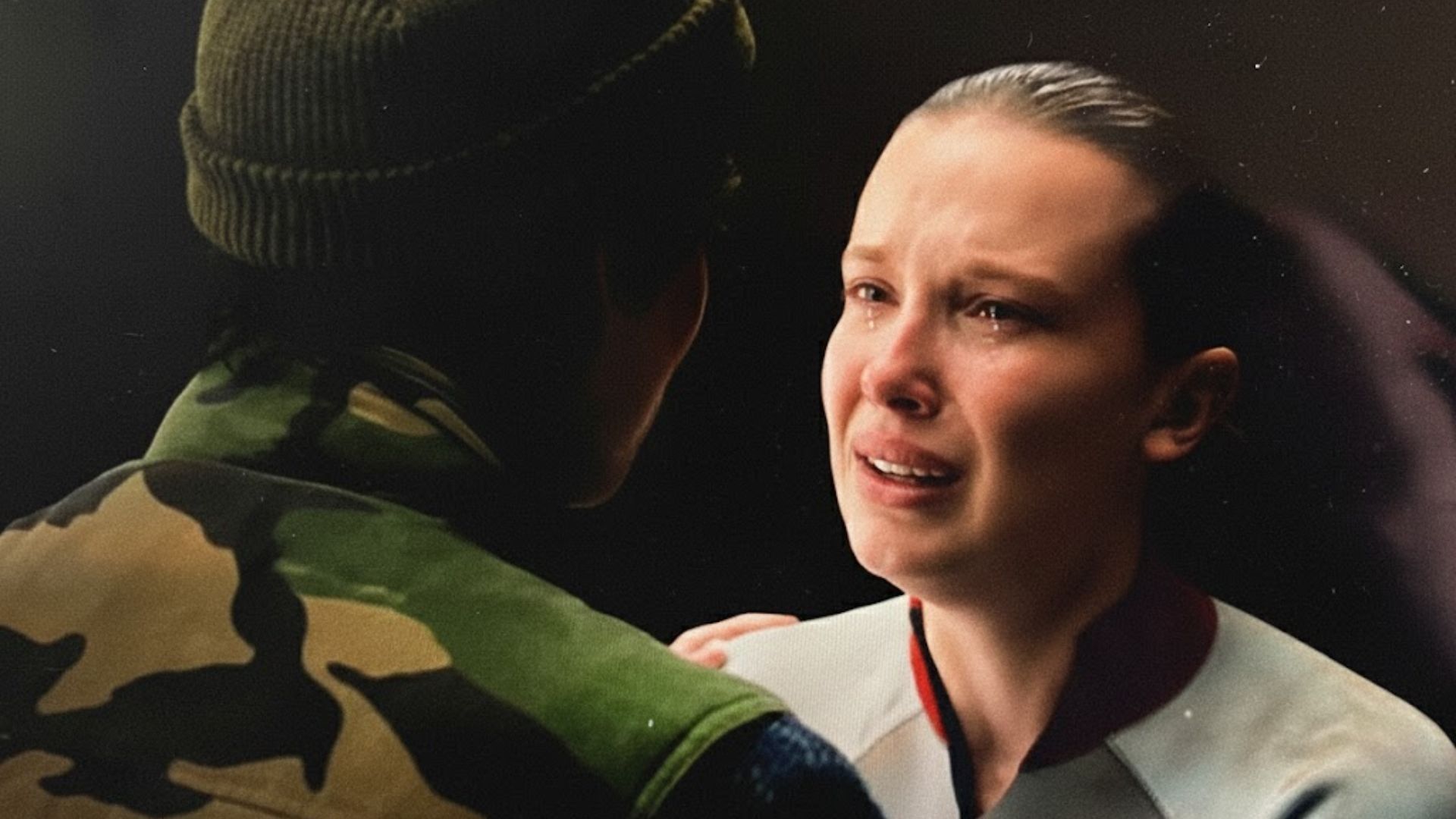
This was the dilemma of the Stranger Things finale over the fate of Eleven. The Duffer Brothers decided to leave her death unresolved, and the audience can assume she died a hero or she fled to lead an anonymous life. Matt Duffer, the showrunner, stated that they were challenging the idea of how Eleven could lead a normal life after all that has happened. This open-ended treatment was welcomed by some of the fans, but some of them felt robbed of a solid closure.
A good TV finale completes the work as a whole. According to this criterion, Stranger Things performed well in certain aspects and failed in others. It remained faithful to its original theme of friendship and may have played it too safe. It gave emotional satisfaction, and it left the fates of its most significant character unclear. It pleased the demands of happy endings and frustrated those who sought darker outcomes.


 Reply
Reply

